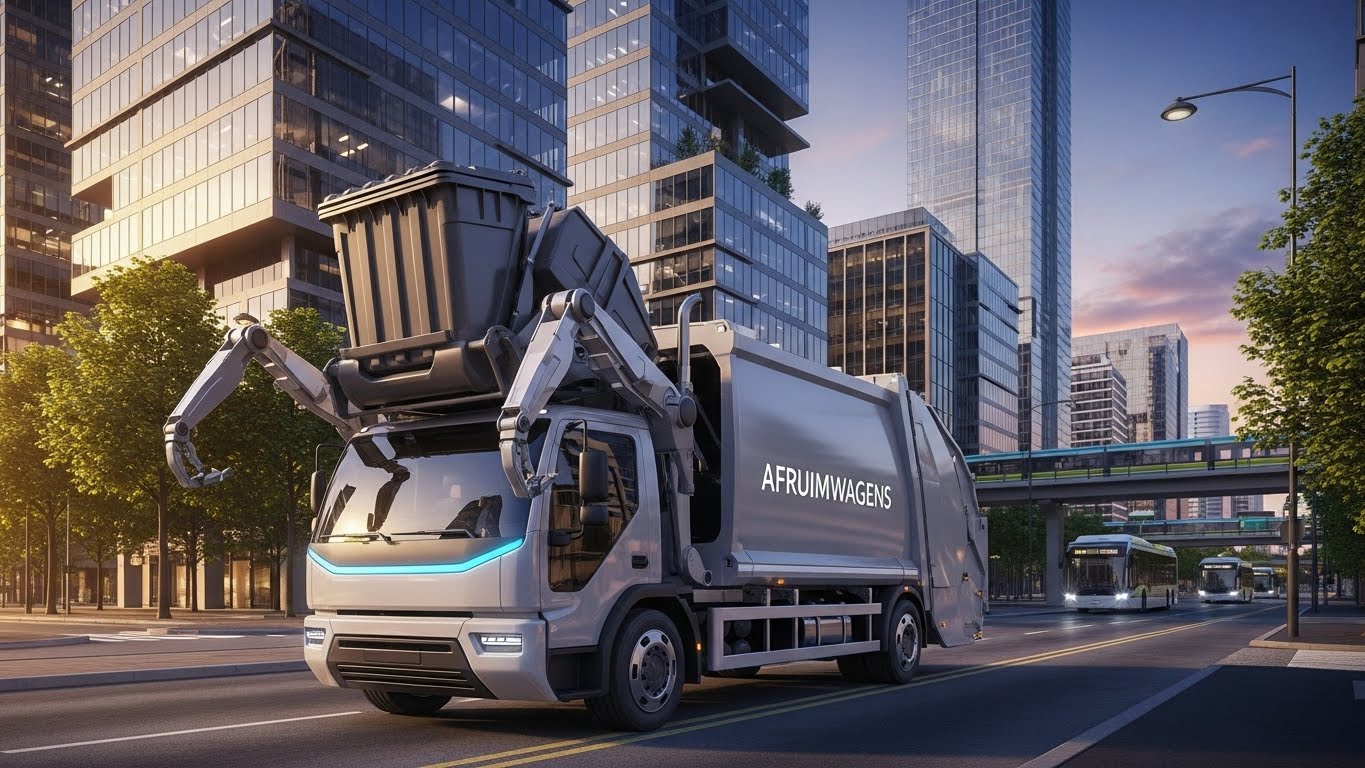
Afruimwagens: The Rise of Transforming Transportation in Urban Areas
Urban areas are bustling with life, but they also face a unique set of challenges. Traffic congestion, pollution, and the need for efficient transportation solutions have become pressing issues in cities worldwide. Enter Afruimwagens—a revolutionary approach to urban mobility that’s transforming how we navigate our environments. These innovative vehicles promise more than just a ride; they offer a glimpse into the future of transportation where convenience meets sustainability. Let’s explore this exciting trend and see how Afruimwagens are reshaping city life for the better.
Advantages of Afruimwagens in Urban Areas
Afruimwagens offer a range of advantages that make them particularly suited for urban environments. One notable benefit is their compact design, which allows for easy navigation through crowded city streets.
These vehicles also promote sustainability. Many Afruimwagens are electric or hybrid, reducing carbon emissions and contributing to cleaner air in cities.
Their versatility stands out as well. Whether used for deliveries, ride-sharing, or public transport, Afruimwagens adapt to various needs efficiently.
Cost-effectiveness is another key advantage. Lower operational costs compared to traditional vehicles can lead to savings for businesses and consumers alike.
Additionally, they help alleviate traffic congestion by taking up less space on the roads. This aspect not only improves mobility but also enhances the overall quality of life in urban areas.
Types of Afruimwagens and Their Functions
Afruimwagens come in various types, each designed to cater to specific urban needs.
One popular category is the electric Afruimwagen. These vehicles are eco-friendly and operate quietly, making them ideal for city streets bustling with activity.
Another type includes cargo Afruimwagens. Designed for deliveries, they have ample space and can navigate tight alleys where larger trucks cannot go.
Passenger Afruimwagens focus on transporting people efficiently. They often feature comfortable seating and advanced technology for a smooth ride across busy areas.
Mobility aids also fall under this umbrella. These specialized vehicles help those with disabilities access public spaces easily.
Each type of Afruimwagen plays a crucial role in enhancing urban mobility while reducing congestion and pollution in cities worldwide.
How Afruimwagens are Changing Transportation in Cities
Afruimwagens are revolutionizing the way people navigate urban landscapes. Their compact design allows for seamless movement through congested streets and tight spaces. This makes them perfect for city dwellers who often face gridlock.
Moreover, these vehicles promote eco-friendliness by reducing carbon emissions. Many Afruimwagens utilize electric power or hybrid technology, contributing to cleaner air in metropolitan areas.
Public transport systems are also benefiting from this innovation. By integrating Afruimwagens into existing networks, cities can offer flexible routes tailored to commuter needs.
The social aspect is noteworthy too; these vehicles enable shared rides among residents, fostering community connections while minimizing individual transportation costs.
As more urban planners recognize their potential, Afruimwagens will likely play an essential role in shaping the future of city transport solutions.
Challenges and Solutions for Implementing Afriumwagens
Implementing Afruimwagens in urban areas comes with its own set of challenges. One major hurdle is the existing infrastructure, often not designed to accommodate these innovative vehicles. This can lead to logistical nightmares and safety concerns.
Another challenge lies in public perception. Many residents may be skeptical about transitioning from traditional transportation methods. Education and outreach programs are essential for addressing these fears and showcasing the benefits of Afruimwagens.
Regulatory frameworks also play a significant role. Cities must adapt their policies to support the integration of Afruimwagens into their transport systems effectively. Collaboration between government officials, manufacturers, and community stakeholders can create comprehensive solutions that foster acceptance and smooth implementation.
Technological barriers exist too; ensuring reliable charging stations or maintenance services requires careful planning. Innovative partnerships among tech companies could pave the way for overcoming such obstacles efficiently.
The Future of Afruimwagens in Urban Areas
The future of Afruimwagens in urban areas looks promising. As cities grapple with congestion and pollution, these innovative vehicles offer a sustainable solution.
Advancements in technology will enhance their efficiency. Electric models are already emerging, reducing dependence on fossil fuels. This shift aligns with global initiatives for cleaner air.
Urban planners are beginning to integrate Afruimwagens into public transport systems. Dedicated lanes and charging stations may soon become common sights, encouraging more people to adopt this mode of transportation.
Moreover, the flexibility of Afruimwagens allows for diverse applications. From cargo deliveries to ride-sharing services, they can adapt to various needs within city environments.
Public acceptance is also growing as awareness increases about environmental impacts. People want smarter solutions that enhance mobility while preserving their communities’ quality of life.
As innovation continues, Afruimwagens could redefine urban landscapes and make them more livable than ever before.
Conclusion
The rise of Afruimwagens represents a significant shift in urban transportation. By integrating these innovative vehicles into city landscapes, we can expect to see reduced congestion and improved air quality. The versatility offered by different types of Afruimwagens ensures that they meet various needs, from public transport to deliveries.
As cities continue to expand and evolve, the challenges tied to implementing must be addressed with thoughtful planning and community engagement. Solutions exist that can help streamline this transition while maximizing the benefits for residents.
Looking ahead, the future of appears bright. They hold tremendous potential not only for enhancing mobility but also for fostering sustainable practices across urban environments. The commitment to innovation and adaptability will shape their role in our cities moving forward, making them an integral part of modern transportation solutions.