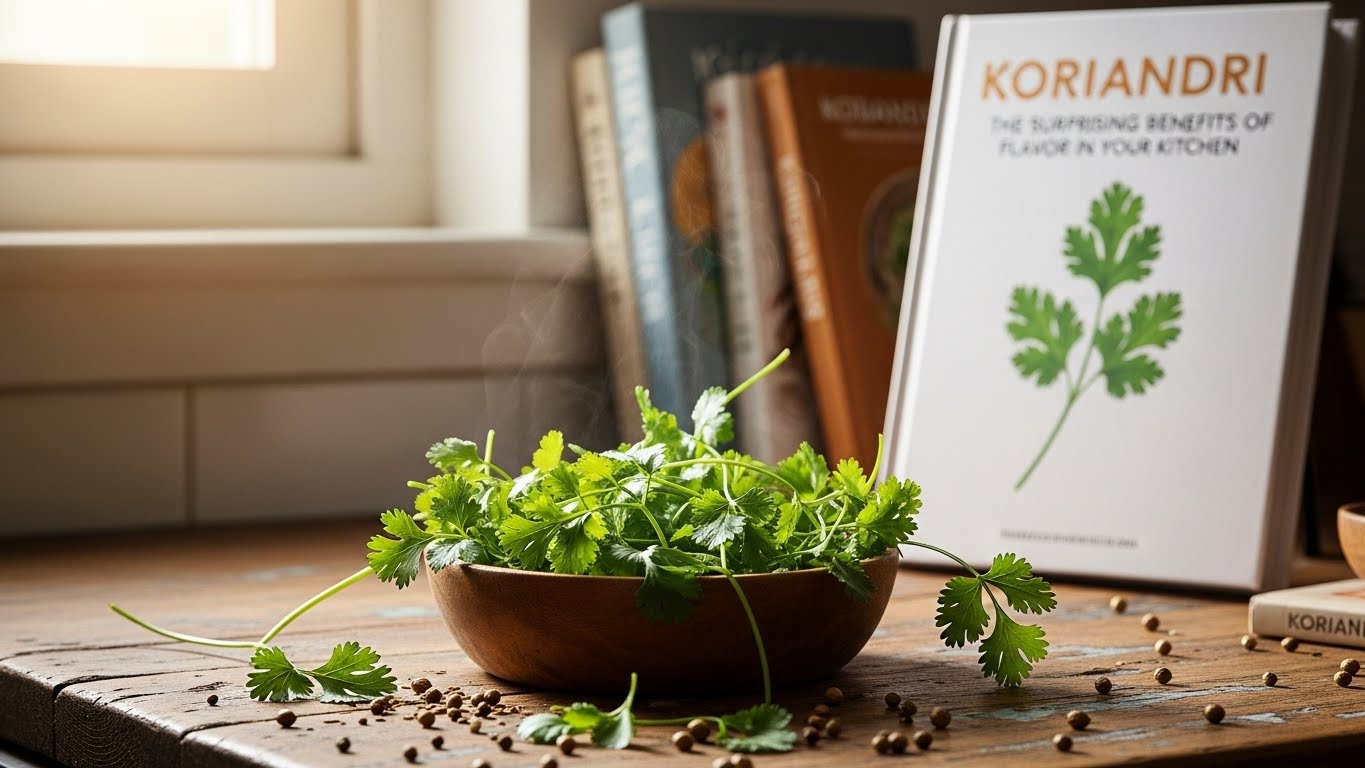
Koriandri: The Surprising Benefits of Flavor in Your Kitchen
Koriandri, also known as cilantro or coriander, may just be the unsung hero of your spice rack. This vibrant herb often garnishes dishes worldwide but offers much more than visual appeal. With its distinct flavor and versatile uses in cooking, Koriandri can elevate your meals while providing a host of health benefits. Whether you’re an aspiring chef or a home cook looking to add some zest to everyday recipes, getting acquainted with Koriandri could be a game changer for your culinary adventures. Let’s dive into what makes this delightful herb so special!
The History of Koriandri
Koriandri, commonly known as coriander or cilantro, has a rich history that spans thousands of years. Its use can be traced back to ancient civilizations in the Mediterranean and Asia. Archaeological evidence suggests that it was cultivated by the Egyptians, who even included it in their tombs.
In classical times, Greeks and Romans prized koriandri for its flavor and medicinal properties. It found its way into various culinary traditions across Europe and Asia.
The spice became popular during the Middle Ages when herbal medicine flourished. Trade routes helped spread koriandri’s appeal from one continent to another.
Today, it’s a staple in many cuisines worldwide—from Indian curries to Mexican salsas—showcasing its versatility and enduring popularity throughout history. The journey of koriandri continues to evolve as new generations discover its unique taste and health benefits.
Health Benefits: From Digestion to Immunity
Koriandri, also known as coriander or cilantro, is more than just a flavorful herb. It packs a punch when it comes to health benefits.
This versatile plant aids digestion by promoting the production of digestive enzymes. Enjoying koriandri in your meals can help ease bloating and discomfort.
Rich in antioxidants, koriandri supports immune function. These compounds fight free radicals and may lower inflammation, keeping your body resilient against illness.
Additionally, its antimicrobial properties can be beneficial for gut health. Koriandri helps balance good bacteria while warding off harmful pathogens.
Don’t overlook the vitamin content either! High levels of vitamins A and C found in koriandri contribute to skin health and overall vitality. Adding this herb to your diet could enhance not only flavor but well-being too.
Creative Ways to Use Koriandri in Cooking
Koriandri isn’t just a garnish; it’s a culinary superstar. Its fresh, vibrant flavor can elevate many dishes.
Try blending koriandri into your favorite pesto. The herb adds an unexpected twist that will surprise your taste buds.
For those who love spicy food, incorporate chopped into salsas or chutneys. It provides a refreshing contrast to the heat from peppers.
Want to liven up salads? Toss in some torn leaves for an aromatic punch that complements greens beautifully.
Consider using in soups and stews as well. Stirring it in at the end of cooking preserves its bright flavor and aroma.
Don’t overlook drinks!-infused cocktails or smoothies provide a unique herbal note that’s both refreshing and invigorating.
Recipes Featuring Koriandri as a Star Ingredient
Koriandri can elevate any dish with its vibrant flavor and aroma. One standout recipe is the koriandri chutney, perfect as a dip or spread. Blend fresh koriandri leaves with green chilies, garlic, lemon juice, and salt for a zesty kick.
For a refreshing salad, toss sliced cucumbers and cherry tomatoes with finely chopped and an olive oil dressing. This brightens up your meal effortlessly.
Consider adding koriandri to soups too. A sprinkle in lentil soup gives it depth while enhancing nutrition.
If you’re feeling adventurous, try incorporating into marinades for grilled meats or tofu. It brings out the natural flavors beautifully.
Desserts might seem unconventional but think again! -infused syrups can add an unexpected twist to fruit salads or ice creams. The possibilities are endless when you let this herb shine on your plate.
Growing Your Own Koriandri at Home
Growing koriandri at home is a rewarding venture. It’s not just about the fresh flavor it adds to your dishes, but also the joy of nurturing a living plant.
Start with seeds or seedlings from a local nursery thrives in well-draining soil, so choose pots that allow for good drainage. A sunny spot on your windowsill works wonders too.
Watering is key—keep the soil moist but not soggy. Frequent harvesting encourages bushy growth and prevents bolting.
Be mindful of pests; they can be pesky little intruders in your herb garden. Regularly check for aphids or spider mites and address any issues swiftly.
With proper care, you’ll enjoy an abundant supply of fresh korandri right from your kitchen garden! The aroma during cooking is simply unmatched, making every meal feel special.
Conclusion
Koriandri is more than just a flavorful herb; it’s a powerhouse of health benefits and culinary versatility. With roots tracing back to ancient civilizations, this aromatic ingredient has stood the test of time, captivating taste buds across cultures. Its role in digestion and immune support makes not only delicious but also beneficial for your overall well-being.
Incorporating Koriandri into your dishes can elevate flavors while introducing its unique zest. From vibrant salads to hearty stews, there are countless creative ways to highlight its freshness in your cooking. And if you’re feeling adventurous, growing your own at home can be both rewarding and satisfying.
Whether you’re an experienced chef or just starting out in the kitchen, exploring the many facets of will surely enhance your cooking journey. Embrace this herb’s rich history and numerous benefits; let it inspire new recipes that will delight family and friends alike. Enjoy experimenting with as you discover how it can transform everyday meals into extraordinary experiences!